51吃瓜黑料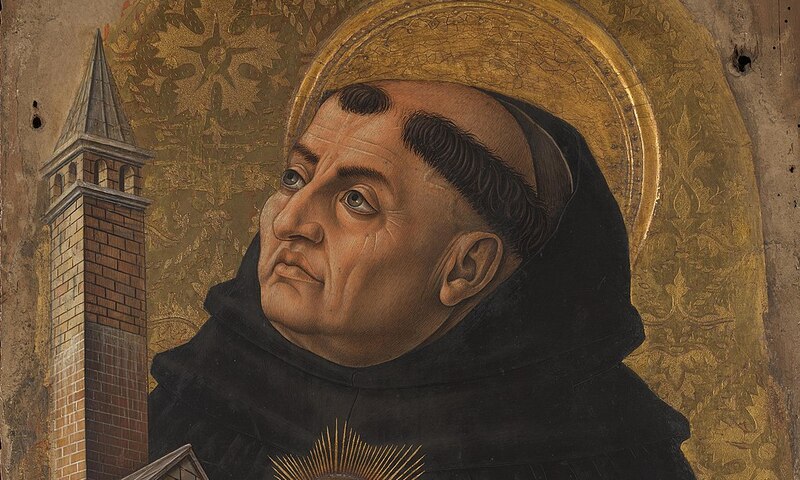
This is a Q&A blog post by Talbot School of Theology鈥檚 Visiting Scholar in Philosophy, William Lane Craig.
Question
Dr. Craig, are the ideas of God being existence itself and God as a maximally great being coherent with one another?
In my view, defining God as a maximally great being seems to place Him within a category that could limit His existence, since it attributes certain characteristics to His ontology rather than identifying Him with existence itself.
I鈥檇 love to hear your thoughts on this topic. Thank you for your time and for your dedication to ministry, and for helping young people like myself grow more confident in their faith.
William Lane Craig鈥檚 Response
Your question concerns the conceptions of God by two great medieval theologians, Anselm of Canterbury and Thomas Aquinas. Anselm conceived of God as a maximally great being, whereas Thomas held that God is the act of being itself subsisting (ipsum esse subsistens). Are these conceptions compatible?
It鈥檚 very difficult to see how they are compatible. For a maximally great being must have various absolute perfections, for example, goodness. Such a being must have a whole array of great-making properties. By contrast, on Thomas鈥檚 view, God has no properties whatsoever. We can say, for example, that God is good, but such a statement is not literally true. God鈥檚 essence, if He even has an essence, is just the inconceivable act of existence.
Does Anselm鈥檚 concept of God limit God? Not in any objectionable sense. Anselm gives us a determinate concept of God. God, for example, is good rather than evil. But God鈥檚 being perfectly good cannot be said to limit God. God is 鈥渓imited鈥� only in the sense that he is a determinate being. Those determinate properties are, however, unlimited: necessity, aseity, omnipotence, omniscience, eternity, omnipresence, etc. God is 鈥渓imited鈥� only in the sense that he is this and not that.
That鈥檚 a good thing! For it enables us to have an intelligible conception of God. A concept of God which is indeterminate, like Thomas鈥檚, leaves us with an unintelligible blank. It therefore implies a profound agnosticism about the nature of God. On Thomas鈥檚 view, God鈥檚 nature is unlimited, not in a great-making sense, but only in the sense of being undefined.
This and other resources are available on .